The truth about sports, nutrition and pain!

The Magic tape

You´ve probably seen a bunch of athletes wearing this kind of tape. They have it over their knees, shoulders, backs, ankles, almost anywhere you can imagine. It comes in different colors and it´s called ¨athletic therapeutic tape¨. This elastic therapeutic tape is used for treating sports injuries and a variety of other disorders. You guys probably know it by kinesio tape (KT). This tape became very popular thanks, in part, to a great marketing strategy. During the 2008 Olympic games in Beijing, a tape manufacturer donated kinesio tape to 58 countries for their athletes to use. Many athletes used it and overnight it became a world wide sensation. But does it really work?

Well, the research out there is controversial to say the least.  For example, there was a recent study in the British Journal of Sports Medicine (1) that concluded that ¨Kinesio taping does not appear to have a beneficial effect on pain when compared with sham treatment. Based mostly on studies of healthy populations, there are inconsistent results for other outcome measures such as ROM (range of motion), strength, muscle activity and proprioception. … At present there appears to be little high quality evidence on which to assess the effectiveness of kinesio taping, it is hoped that future research will clarify the situation¨.  And many other studies say the same thing, especially if the patients are ¨healthy¨(2,4).

For example, another systematic review found ¨insufficient evidence to support the use of KT following musculoskeletal injury, although a perceived benefit cannot be discounted. There are few high-quality studies examining the use of KT following musculoskeletal injury¨(3). Now, if the athletes are injured there seems to be some evidence that kinesio tape may help (5). It is still not known why that is (propiocepcion, placebo), but it seems like it works a little. So, should we use it?

I am a little skeptic about it, but the good thing with kinesio tape is that it doesn´t really have any negative effects. So you have nothing to lose, except a couple of euros (or $). So as a last resort I would  try it.

Hoped you liked it.

  1. Kamper SJ, Henschkle N. Kinesio taping for sports injuries. Br J Sports Med. 2013 Nov; 47(17):1128-9.
  2. Ferriero G, Vercelli S, Sartorio F, Foti C, Colleto L, Virton D, Ronconi G. Immediate effects of kinesiotaping on quadriceps muscle strength: a single-blind, placebo-controlled crossover trial. Clin J Sport Med,2012 Jul;22(4):319-26.
  3. Mostafavifar M, Wertz J, Borchers J. A systematic review of the effectiveness of kinesio taping for musculoskeletal injury. Phys SPortsmed.2012 Nov;40(4):33-40.
  4. Thelen MD, Dauber JA, Stoneman PD. The clinical efficacy of kinesio tape for shoulder pain: a randomized, double-blinded, clinical trial. J Orthop Sports Phys Ther, 2008 Jul; 38(7):389-95
  5. Williams S. Whatman C, Hume PA, Sheerin K. Kinesio taping in treatment and prevention of sports injuries: a meta-analysis of the evidence for its effectiveness. Sports Med, 2012 Feb 1;42(2):153-64

A calorie is a calorie.

People always come to me saying that they cannot lose weight, that they have tried everything from exercise to diet but still can´t get rid of those extra kilos. They say that they have  a ¨slow metabolism¨ or some other excuse and they are basically lying ( click here). Lying to themselves and to the  people around them because, listen closely I´m going to tell a secret, to lose weight you have to eat less and move more. Yes, that´s right, eat less and move more, don´t believe me, look at the studies (1-4).

People don´t understand but you can actually lose weight eating ¨junk food¨ as long as you are in a calorie deficit. You see, there is no evidence that junk food is more fattening that healthy food if both foods have the same number of calories (5) because a calorie is a calorie.  Well ok, consuming  proteins causes a greater energy expenditure than consuming fat or carbohydrates (6), but still for the sake of simplicity a CALORIE is A CALORIE. If you want to lose weight create a calorie deficit, meaning burn more than what you are eating. And that is exactly what John Cisca did a couple of months ago. He lost 37 pounds in 90 days eating just McDonald’s, it´s a true story (click here). And how did he do it, you ask?? That´s right – by creating a calorie deficit.

Even after explaining this to people you will still hear (at least I do), that ¨I exercised and  I ate less and still I didn´t lose weight¨. So what do you do with these people? First, you tell that in almost 100 years of weight loss research, there hasn´t been a single human that didn´t lose weight when they were in a caloric deficit, so they probably aren´t the exception. Second, you explain to them that people are horrible at counting calories and most of the time eat more than what they think (excellent video – you have to watch  both parts) and also move less (burn less calories) . If they still don´t believe you (which some actually won´t), smile and walk again.

Now there are some exceptions to this rule,people who have a thyroid problem will have a problem losing weight(7) and also some medication can hinder weight loss;

  1. Paxil- used for anxiety
  2. Depakote- used to treat bipolar disease
  3. Prozac- It is associated with weight loss in the first 6 months but after it causes the opposite effect. It´s used for depression
  4. Remeron- Anti-depressant
  5. Zyprexa- used for bipolar disease
  6. Allegra-Zyrtec
  7. Deltasone- Treats asthma and inflammatory bowel disease
  8. Thorazine
  9. Elavil- Anti-depressant
  10. Diabines, Insulate- Type 2 diabetes drugs
  11. Insulin- stops protein breakdown.
  12. Tenomin- Beta-bolcers, drugs used for high blood pressure

* if you are on a medication NEVER stop unless you have talked to your doctor first.


Hoped you like it, until next time

References

  1.  Buchholz AC, Schoeller DA. Is a calorie a calorie? Am J Clin Nutr.2004;79(5):899S-906S
  2.  Schoeller DA. The energy balance equation: looking back and looking forward are two very different views. Nutr Rev. 2009;67(5):249–254.
  3. Schoeller DA, Buchholz AC. Energetics of obesity and weight control: does diet composition matter? J Am Diet Assoc. 2005;105(5 Suppl 1):S24–8.
  4.  Westerterp KR. Physical activity, food intake, and body weight regulation: insights from doubly labeled water studies. Nutr Rev. 2010;68(3):148–154.
  5. Surwit RS, Feinglos MN, McCaskill CC, et al. Metabolic and behavioral effects of a high-sucrose diet during weight loss. Am J Clin Nutr. 1997;65(4):908–915
  6. Westerterp KB. Diet induced thermogenesis. Nutr Metab (Lond),2004 Aug 18;1(1):5
  7. http://www.ncbi.nlm.nih.gov/books/NBK28/


Protein: part 2

Hey guys, so in the first part of proteins, I talked about what they are and why they are so important. I also mentioned that we should be consuming a little bit more than the recommended daily intake, especially if we exercise. Now, I will explain why that is.

You see, your body is constantly building up and tearing down tissue. When there is tissue growth it´s called anabolism, and when there is tissue breakdown, it´s called catabolism.  When we exercise, especially resistance exercise (that is with weights), we are creating tissue damage, in other words CATABOLISM. To recover from that ¨catabolism¨, the body uses hormones and nutrients (proteins) to recover itself and build up more muscle (1). If we don´t have proteins at that moment, the body breaks down tissue (catabolism) somewhere else to get those amino acids……. in other words you could be losing muscle tissue!! The opposite of why most of us train and also really bad for those who want to lose weight.

When we consume proteins, that stimulates protein synthesis (build-up), and can reduce protein breakdown (catabolism) (2). But how much should we consume? Well, according to a recent study the greater the amount of protein individuals consumed, the greater the overall anabolic response. And when individuals consumed 80% of their daily protein in a single meal, it caused a greater overall anabolic response for the day than when the protein was split up over several meals (2). With all this said, there is still no consensus on how many grams of proteins you should consume per day but you should take into account a couple of things:

  1. If you are consuming a caloric surplus (taking in more calories than you are spending) you will require less protein.
  2. If you are in a caloric deficit (to lose weight, you consume fewer calories than what you burn), you will need more protein, so that you don´t lose muscle (4) Mettler et al. 2010)
  3. Women are better able to preserve lean mass (muscle) compared to men during times of reduced caloric intake (3)
  4. And lean individuals in a caloric deficit need more proteins than overweight individuals (4). So, if you weigh 80 kilos and have a lot of muscle, you will need to consume more  proteins than an 80 kg man who is ¨overweight¨ or has very little muscle.

With all this said, the ¨experts¨ recommend taking in between 0.70-1 gram per pound (5).

Now let us get to the topic if too much protein is bad for the kidney.  Within wide limits, there is no evidence that a diet high in protein has any detrimental effect on those with normal renal function(6-8). Now, if you have problems with your kidneys you should NOT be on a diet high in protein. Also, a recent study done in a Spanish university said a diet high in proteins increases the changes of experimenting renal dysfunction (click here). However, this study was done in rats and they were on a diet where the proteins represented 45% of that diet!! The normal recommendations are that proteins should represent just 10%,  45% is 4 times the recommend averages! So of course, I don´t think that is healthy. On top of that I don´t know how much the rats where exercising.  With all this said, I still think that people who want to lose weight should be on a diet high in protein, also those that exercise or are active. On the other hand, those who are  couch potatoes have no reason to be eating more proteins.

Hope you guys liked it. Till next time!

References

  1. Kumar V, Atherton P, Smith K, Rennie MJ. Human muscle protein synthesis and breakdown during and after exercise. J Appl Physiol 2009, 106(6):2026-39.
  2. Wolfe R, Deutz N. Is there a maximal anabolic response to protein intake with a meal. Clinical Nutrition.2013.
  3. Lemon PW. Beyond the zone: protein needs of active individuals. J Am Coll Nutr.200 Oct;19
  4. Mettler, S., Mitchell, N., & Tipton, K. D. Increased protein intake reduces lean body mass loss during weight loss in athletes. Medicine and Science in Sports and Exercise, 2010.42, 326-337.
  5. Schoenfeld B. The Max Muscle Plan. Human Kinetics.2013
  6. Lowery LM, Daugherty A, Miller B, Bernstein E, Smurawa T. Large chronic protein intake does not affect markers of renal damage in healthy resistance trainer. The FASEB Journal.2011;25:983.25
  7. Lowery LM, Devia L. Dietary protein safety and resistance exercise: what do we really know?. J Int Soc Sports Nutr.2009 Jan12;6:3
  8. Martin WF, Armstrong LE, Rodriguez NR. Dietary protein intake and renal function. Nutr Metab (lond),2005


Proteins- Part 1

We have all heard of proteins at one point or another in our life but do we really know what they are or do? Let´s find out.

Proteins are made up of amino acids. There are 20 amino acids. These amino acids can be arranged in a million different ways to create millions of different proteins. Amino acids can be categorized as essential or non-essential. Essential amino acids are those that we cannot create through our own metabolism. Therefore we need to obtain them through foods. Non-essential amino acids are those that our body can synthesize (build). One gram of protein contains 4 calories (in comparison, one gram of carbohydrates also contains 4 calories, and one gram of fat 9 calories).  Proteins are used by the body to:

  1. Build, strengthen and repair/ replace things, such as tissue.
  2. Make antibodies for our immune system.
  3. Make hormones.
  4. Muscle contractions.
  5. Make enzymes.
  6. Transport things.
  7. Store things .

Dietary thermogenesis (DT)  is the process of energy production in the body caused directly by the metabolizing of food consumed. Consuming more protein causes a greater energy expenditure than consuming fat and carbohydrates (2) ( click here to read more). And diets high in protein are more important than the  low carb or low fat component in achieving body weight loss and weight maintenance (3). This is because, higher protein diets generally help people lose less muscle and more fat at the same calorie intake. (4-7). However, after a certain point eating more protein isn´t going to help you lose any more fat. And in extreme cases it could even make you gain fat (it´s quite hard to turn protein into fat but it could happen). But with all this said, most people probably eat less proteins than they are suppossed to. Here is what is recommend by the experts (8):

  • Infants require about 10 grams a day.
  • Teenage boys need up to 52 grams a day.
  • Teenage girls need 46 grams a day.
  • Adult men need about 56 grams a day.
  • Adult women need about 46 grams a day

but if you ask me, it probably woudn´t hurt if we consumed a little bit more especially if you are exercising (9)!  But, I will explain that in my next blog, where I will also talk about if eating too many proteins is bad for the kidneys and how much should we be consuming.

So to summarize:

  1. Proteins cause a greater energy expenditure, when you metabolize them, than consuming fat and carbohydrates.
  2. Diets high in protein are very important in achieving body loss and body maintenance. .
  3. Proteins are made up of amino acids. There are 20 amino acids, that can be divided into essential and non-essential.
  4. 1 gram of protein contains 4 kcla.

P.S . By the way here is a great page of a friend of mine who does customize cell, tablet and Ipad cases. Www.personalaizer.com

References

  1. http://www.ncbi.nlm.nih.gov/books/NBK26911/
  2. Westerterp KB. Diet induced thermogenesis. Nutr Metab (Lond),2004 Aug 18;1(1):5
  3. Soenen S, Bonomi AG, Lemmens SG, Scholte J, Thijssen MA, van Berkum F, Westerkep-Plantenga MS. Relatively high-protein or `low -carb´ energy-restricted diets for body weight loss and body weight maintenance. Physiol Behav, 2010 Oct 10;107(3):374-80.
  4. Layman DK, Evans E, Baum JI, Seyler J, Erickson DJ, Boileau RA. Dietary protein and exercise have additive effects on body composition during weight loss in adult wome. J Nutr. 2005;135(8):1903-10.
  5. Leidy HJ, Carnell NS, Mattes RD, Campbell WW. Higher protein intake preserves lean mass and satiety with weight loss in pre-obese and obese wome. Obesity.2007;15(2):421-29.
  6. Layman DK. Protein quantity and quality at levels above the RDA improves adult weight loss. J Am Col Nutr.2004;23(6)
  7. Wycherley TP, Moran LJ Clifton PM, Noakes M, Brinkworth GD. Effects of energy-restricted high-protein,low-fat compared with standard-protein, low-fat diets: a meta-analysis of randomized controlled trials. Am J Clin Nutr.2012;96(6):1281-98.
  8. Source for Acceptable Macronutrient Distribution Range (AMDR) reference and RDAs: Institute of Medicine (IOM) Dietary Reference Intakes for Energy, Carbohydrate, Fiber, Fat, Fatty Acids, Cholesterol, Protein, and Amino Acids. This report may be accessed via www.nap.edu
  9. Wolfe RR, Deutz NE. Is there a maximal anabolic response to protein intake. Nutr, 2013 Apr,32(2):309-13
 

 Has this ever happened to you or have you ever heard this from someone? I sure have, I hear it all the time…. ¨I go running everyday 45 minutes and I´m still not losing weight, I must have a slow metabolism¨ (BIGGEST Bullsh%t out there). Well, as always, let me explain.

First, there is no such thing as a slow metabolism, I talked about that in one of my previous posts (https://sports-diet-pain.com/2013/10/17/metabolism-the-myth-behind-slow-and-fast-metabolism/), please watch the video attached to that post as it is GREAT!!

Second, you are probably not losing weight for a couple of reasons:
1. You do the same training over and over. You see, the body adapts and if every time you go running you do the same thing it´s not going to cost you as much as it did at the beginning and you will also be burning fewer calories. So change the training plan!!!
2. The intensity is always the same. When we do finally change the training plan we only change the time, forgetting sometimes that intensity is more important than time (https://sports-diet-pain.com/2013/10/18/high-intensity-interval-training/). The higher the intensity, the more calories you will be burning after the training. Try incorporating series into your trainings plan.
3. Don´t just run, change activity. Go swimming, go bike riding, GO LIFT WEIGHTS. Yes, resistance training is great and not just for bodybuilders but for everyone. A recent study showed that 10 weeks of resistance training may increase lean weight by 1.4 kg, increase resting metabolic rate by 7%, and reduce fat weight by 1.8 kg (1).
4. Rest. Some people don´t know this but sometimes less is better. They body has to recover after a training. When you train everyday for long periods of time the body starts releasing cortisol. Cortisol is the ¨stress¨ hormone and can have negative effects (3-4). Cortisol isn´t always bad and is sometimes necessary but high levels of cortisol usually aren´t that good. A recent study thas shown that endurance athletes have higher levels of cortisol (2). So take a rest, don´t run so much!
5. Overcompensation. People sometimes eat more after exercise because they think they have burned so many calories but, you see, running really doesn´t burn that many calories. For example: 30 minutes of steady pace running will probably burn you in between 300-350 calories. That is not that much….. a simple cheeseburger in McD%& has 300 calories (5). So of course running is good and burns calories but don´t ruin it afterward by not watching what you eat.

So, in conclusion: change your training plan, play with the intensity and time, change sport activity and, most importantly, sometimes more is not better. Keep running!!

References
  1. Westcott WL. Resitance training is medicine: effects of strength training on health. Curr Sports Med Rep 2012 Jul-Aug;11(4):209-16.
  2. Skoluda N. Dettenborn L, Stalder T, Kirschbaum C. Elevated hair cortisol concentrations in endurance athletes. Phsychoneuroendocrinology, 2012 May;37(5):611-7.
  3. Kanaley JA, Weltman JY, Pieper KS, Weltman A, Hartman ML. Cortisol and growth hormone responses to exercise at different times of day. J Clin Endocrinol Metab 2001 Jun;86(6):2881-9.
  4. Heitkamp HC, Schulz H, Rocker K, DickHuth HH. Endurance training in females: changes in beta-endorphin and ACTH. Int Sports Med.1198 May;19(4):260-4.
  5. http://nutrition.mcdonalds.com/getnutrition/nutritionfacts.pdf

Running shoes can make a simple person go crazy. I went to buy some the other day, thinking it would be an easy task and, boy, was I wrong. First, they asked me if I was a pronator or supinator, I answered that I was more of terminator. Then they asked me about stability, I´ve always been afraid of that issue so I decided not to answer. After that scare, they put me on a treadmill and asked me to walk and run and when that was over they told me they had the perfect shoe for me, it was called the SUPERAXICS BALANCE NEUTRAL STABILITY POWER 1000  and it only costed 165€. I almost had a heart attack!!

Obviously, I exaggerated a little but I wanted to get the point across, buying running shoes can sometimes be a nightmare. But, does it have to be? Is pronation-supination really that important? Do you really have to buy expensive shoes to prevent an injury? What about those new stability shoes, do they really work? Let´s find out….

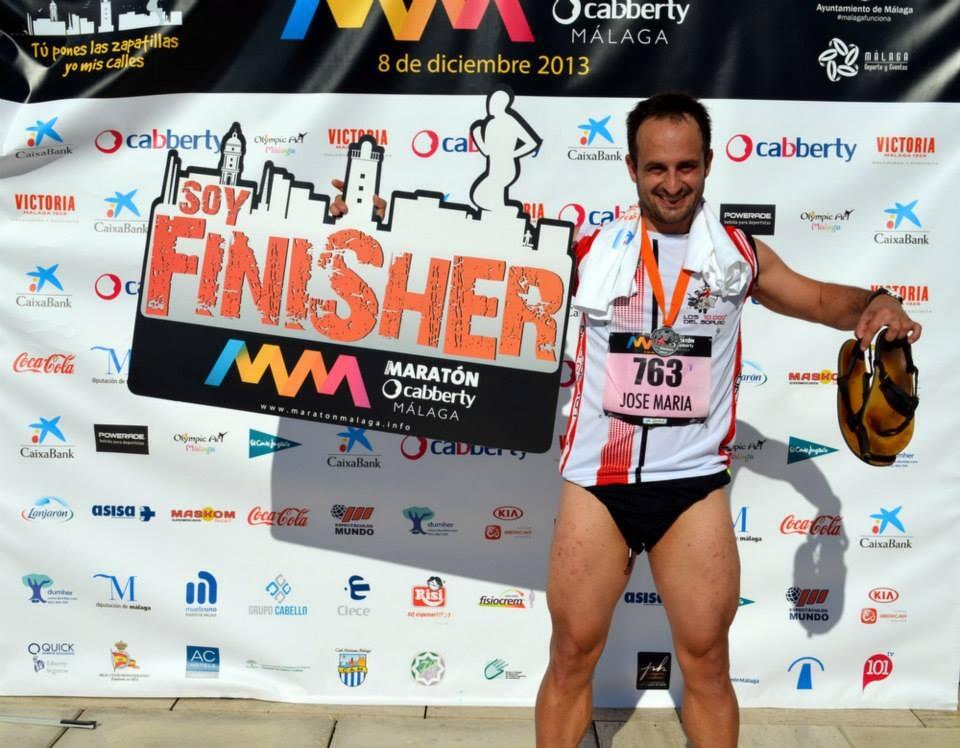
Running shoes were invented around 40-50 years ago, before that there were only normal shoes or something to cover your feet with and way before that we didn´t even have shoes, but we were still able to run.  And that´s what the book Born to Run talks about. It says that we were meant to run barefoot and that the invention of the shoes has altered our footstrike. You see, when you run barefoot you land with the forefoot because if you landed with your heel it would hurt. However, when you run with running shoes you tend to land with the heel, that´s why running shoes tend to have a lot of cushion in the back.  So now you see a lot of people running with these minimalist shoes, like the five fingers. And you may ask yourself what´s better? In my opinion, the best thing is to buy a normal shoe and alter your footstrike, meaning sometimes you land with the forefoot and sometimes with the barefoot. You see, in his book, Born to Run, the author states that humans were meant to run barefoot and I agree with that, but we were not meant to run MARATHONS or SEMI-MARATHONS. We ran to catch our food and that was it!! I know a lot of people who are running marathons and semi-marathons with minimalist shoes, heck I have a friend who just last month ran the MALAGA MARATHON in SANDALS, yes sandals (here is the picture to proof it). And he is perfectly fine, still runs with the sandals and loves them. He is also a trainer and a great physical therapist.

chema

Still, I wouldn´t recommend people to run marathons with minimalistic shoes, 5-10km yes (that´s probably what we ran to catch our food), but 41km, hell no.  And do minimalistic shoes prevent more injuries than ¨normal¨ running shoes? Well, according to a recent study published in the British Journal of Sports Medicine, they don´t (1). They found no difference in injury rates between runners who wore soft-soled shoes and those who wore firm-soled shoes. But, you can also read this the other way – RUNNING SHOES DO NOT PREVENT MORE INJURIES THAN MINIMALISTIC SHOES.

So with all this said, you can imagine that running shoes are really not that important and various studies have demonstrated that. For example, researchers have NOT found a strong link between pronation and injury, that is why stability shoes don´t seem to help people who have been diagnosed as ¨over pronators¨. Another paper in 2009 concluded that ¨prescribing cushioned, motion-controlled shoes to distance runners was not evidence-based (2).

So what do we do……. well, I guess each person is different and has to find their shoe in which they are comfortable.  But the point I´m trying to get across, is that we really don´t need expensive shoes to run, heck, we don´t even need shoes to run.

chema2

(My friend Chema again, but this time WITHOUT SANDALS)

And I also wouldn´t bother too much about pronation, supination and stability, I don´t think the sandals my friend ran with had any of those features. So, until next time keep running!!!

I leave you with a nice article that talks about pronation and a video that talks about ¨Born to run¨.

http://www.runnersworld.com/running-shoes/does-pronation-matter

References:

Theisen D, Malisous L, Genin J, Delattre N. Influence of midsole hardness of standard cushioned shoes on running-related injury risk. Br J Sports Med.2013

Richards CE, Margin PJ, Callister R. Is your prescription of distance running shoes evidence-based. Br J Sports Med.2009 Mar;43(3):159-62.


Happy New Year!! My first post of the year will be about nutrition and the importance of a good diet in dealing with pain and inflammation. But before that, I just want to mention that I have gotten some feedback saying that my post are too long, so from now on I will try to make them shorter. If there is something someone doesn´t understand or wants me to go into greater detail please don´t hesitate to comment or write me an email.

We all know how important a good diet is for our health (althought most of us don´t practice it), but I´m pretty sure that a lot of us don´t know that what we eat can have an influence on pain and inflammation. That´s right, whenever, for example, we twist our ankle or have a tendinitis, what we eat is going to either help us get better sooner or delay our recovery. Also, many of the current diseases develop and exist as consequence of chronic inflammation, such as cancer, heart disease, hypertension, osteoarthritis, diabetes, osteoporosis, etc. (1-4) Let me explain:

Inflammation is part of the healing process; however, chronic inflammation represents a lack of tissue healing and actually promotes on-going tissue damage (5).  The way we are eating is causing dietary imbalances and this, in turn, is leading to inflammation. Some of those dietary imbalances are: excessive omega-6 fatty acid intake, inadequate potassium intake, inadequate magnesium intake, and inadequate phytonutrient.  Now, I hope no one is  getting the silly idea that all they have to do is take supplementation pills to correct those imbalances, because it´s not that easy. The easiest way to correct it is by eating properly. And what is eating properly? Well, this list might help you:

Pro-inflammatory foods : Refined grains, Whole grains, Grain/ flour products, most packaged foods, most processed foods, deep fried food, trans fats, grain fed meats/eggs.

Anti-inflammatory foods: Fruits, Vegetables, Nuts Fresh Fish, Wild game, Dark Chocolate, Omega-3 eggs, Organic extra virgin olive oil, organic coconut oil, organic butter, red wine (a glass, not a WHOLE BOTTLE), spices: ginger, turmeric, garlic, oregano, potatoes.

Type 2 diabetes, which is caused by insulin resistance (https://sports-diet-pain.com/2013/10/31/sugar-the-hidden-enemy-part-2/), is also an inflammatory disease (7). Monounsaturated fatty acids found in nuts, olive oil and animal product promote insulin sensitivity and have anti-inflammatory properties, which lowers insulin resistance.  Another thing that causes inflammation is when we have an imbalance between omega 6 intake and omega 3 intake. Ideally, we should consume an omega 6:omega 3 ratio of 4 :1; however most of us are consuming a ration of 20-30:1. Here is a list of some common foods and what their ratios are (more than one might be surprising):

Food                                                                               N-6: N -3 Ratio

Grains                                                                                 20 : 1

Seed and seed oils (corn, sunflower)                    70 : 1

Soybean oil                                                                       7 : 1

Chicken (white meat)                                                  15 : 1

Chicken (dark meat)                                                    17: 1

Salmon                                                                              1 : 1

Potato chips                                                                  60 : 1

Fruit                                                                                   3 : 1

Nuts                                                                                    5 :1

Wild game                                                                        2.5 : 1                 (8)

So to summarize, food can have a big impact on pain and inflammation.  So next time you hurt yourself and you see that the pain or the inflammation is not going away, try to eat properly. It will probably help with the inflammation and in the long run you will be doing yourself a favour.

References

  1. Balkwill F, Mantovani A. Inflammation and cancer back to Virchow? Lancert.2001;357:539-45.
  2. Ban WA, Man SF, Senthilselvan A, Sinn DD. Association between chronic obstructive pulmonary disease and systemic inflammation: a systematic review and meta-analysis. Thorax 2004;59:574-80.
  3. Fernandez-Real JM, Ricart W. Insulin resitance and chronic cardiovascular inflammatory syndrome. Endo Rev 2003;24:278-301.
  4. Ross R. Atherosclerosis-an inflammatory disease. N Engl J Med 1999;340:115-26.
  5. Seaman DR. THe diet-induced proinflammatory state: a cause of chronic pain and other degenerative diseases? J Manipulative Physio Ther 2002;25:168-79.
  6. Liebenson C. Rehabilitation of the Spine. Lippincott Williams & Wilkins 2007. pg 730
  7. Pickup JC. Inflammation and activated innate immunity in the pathogenesis of type 2 diabetes. Diabetes Care 2004; 27:813-23.
  8. Ros E. Dietary cis-monounsaturated fatty acids and metabolic control in type 2 diabetes. Am J Clin Nutr 2003:78:61
  9. Liebenson C. Rehabilitation of the Spine. Lippincott Williams & Wilkins 2007. pg 733

The magic pill

Imagine I had something that could make a lot of your daily problems go away. Would you take it?  I think most of us would. I surely would, but guess what? That ¨pill¨ is already out there and it´s easy to get.

I´ll admit it. I have experimented with that ¨pill¨ and let me tell you something, it´s some gooodd shit, if you know what I´m talking about. This ¨pill¨ is so good it relaxes me, it makes me feel happier, it takes stress and anxiety(1,2) away from me, it makes me feel less tired and it makes me remember things better (well, that has to be a side effect).

Truth be told, sometimes I don´t feel like taking that pill, but when I do, I feel so good  that afterwards I ask myself why the hell was I even doubting to take it. But, the days that I really don´t feel like taking it, I just read the prescription. And that usually does it for me. I mean, come on, this pill has been DEMONSTRATED  to be effective against low back pain, cardiovascular disease, arterial hipertension, osteoporosis, colon cancer, breast cancer, managing your weight, knee arthritis, heart attacks, prostate cancer, hip fractures for menopausal women, depression, and most importantly ERECTILE DYSFUNCTION (not that I have any problems with that, but I´m just saying, you know, in case one of you does)(1-9). And the list goes on.

But it gets even better, this pill is not racist or sexist. Doesn´t matter if you are rich or poor, or where you live, because this¨pill¨ is free and you can take it whenever you want. If you take this ¨pill¨you will live longer and yet some people don´t take it. They complain they are too tired, or have no time, or that their knee or back hurts, not knowing that the ¨pill¨improves all those symptoms.

By now you have probably guess that the ¨pill¨ I´m talking about is called EXERCISE. I highlighted the word because a lot of people don´t know what it is, to be exact 5,3 million people, that´s the number of people that will die in 2014 from inactivity (https://sports-diet-pain.com/2013/10/18/international-chair-on-cardiometabolic-risk/). So let´s try to move a little bit more in 2014!!

This will be my last blog of the year,hopefully you have enjoyed it.  I wish you all happy holidays and a happy new year!

P.S. To all my spanish followers, here is a facebook page for all those that love sport and want to keep up with the latest information. It´s in spanish  https://www.facebook.com/#!/saludando


References:

  1. Martines EW. Physical activity in the prevention and treatment of anxiety and depression. Nord J Psychiatry,2008;62 Suppl 47:25-9.
  2. Hammer M, Endrighi R, Poole L. Physical activity, stress reduction, and mood: insight into immunological mechanism. Methods Mol Bio, 2012;934:89-102.
  3. Warburton DE, Nicol CW, Bredin SS. Health benefits of physical activity: the evidence. CMAJ, 2006 Mar 14;174(6):801-9.
  4. Penedo FJ, Dahn JR. Exercise and well-being: a review of mental and physical health benefits associated with physical activity. Curr Opin Psychiatry,2005 Mar;18(2):189-93.
  5. Haskell WL, Lee IM, Pate RR, Powell KE, Blair SN, Franklin BA, Macera CA, Health GW, Thompson PD, Bauman A. Physical activity and public health: updated recommendation for adults from the American College of Sports Medicine and the American Heart Association. Med Sci Sports Exerc, 2007 Aug:39(8):1423-34.
  6. Blair SN, ChenY, Holder JS. Is physical activity or physical fitness more important in defining health benefits? Med Sci Sports Exerc,2001 Jun;33(6Suppl): S379-99.
  7. Sculco AD, Paup DC, Fenhall B, Sculco MJ. Effects of aerobic exercise on low back pain patients in treatment. Spine J,2001 Mar-Apr;1(2):95-101.
  8. Cooper R, Kuh D, Hardy R; Mortality Review Group; FALCon and HALCyon Study Teams. Objectively measured physical capability levels and mortality: systematic review and meta-analysis. BMJ, 2010 Sep 9;341.
  9. Pohjantähti-Maaroos H, Palomäki A, Hartikainen J. Erectile dysfunction, physical activity and metabolic syndrome: differences in markers of atherosclerosis. BMC Cardiovasc Disord,2001 Jun 27;11:36.

Vitamin D

I´m not a big fan of taking  multi-vitamin pills and usually don´t recommend my patients or clients to take them. I think most of the time if you eat properly you will get all your vitamins necessary from there. A recent study by the Food Standards Agency showed that the average Briton gets all of his recommended daily allowance of every dietary vitamin from their normal food and drink(1). And we all know how the Brits eat……; if they are able to get their daily allowance from their normal diet, I think the rest of us also can.

And the thing with vitamins is that if you take too much, two things can happen. One, your body doesn´t store them, it´s just pisses them away. So, you are basically throwing your money down the toilet. Or two, you can harm yourself – look at what a recent systematic study on vitamins and minerals said ¨We found no evidence to support antioxidant supplements for primary or secondary prevention [of diseases of any kind]. Beta-carotene and vitamin E seem to increase mortality, and so may higher doses of vitamin A. Antioxidant supplements need to be considered as medicinal products and should undergo sufficient evaluation before marketing¨(2,3)!!! Did you all see the increase mortality??? That means you die earlier…. the opposite of why most people take vitamins and minerals.

But, if you had to take one vitamin supplement then I would recommend that supplement to be vitamin D. Vitamin D is a fat-soluble nutrient and is one of the 24 micronutrients critical to human survival. It is found naturally in fish and eggs and is sometimes added to dairy products, but the sun is the major natural source of nutrient. The body produces vitamin D from cholesterol (https://sports-diet-pain.com/2013/11/03/is-saturated-fat-and-cholesterol-really-that-bad/), provided it receives adequate amounts of UV light from sun exposure(2,5). However, there are only sufficient amounts of UV light coming from the sun when the UV index is 3 or higher. And in latitudes between 42.3 – 55  there is less amount of UV, especially in winter(9-10).  Also, weather patterns that reduce solar exposure such as clouds or darkness leads to less amount of UV. So, people who live in cities such as Brussels or Dortmund (2 cities where I have lived) are more vulnerable to deficiencies in vitamin D, because the sun never comes out there ;). It is also almost impossible to overdose with vitamin D. The recommend daily allowance is between 400-800IU/day, but this is probably too low for adults. The safe upper limit in the USA is 2.000Iu/day and 4000IU/day in Canada(8-11). To intoxicate yourself you would need probably more than an excess of 20.000IU/day!! So we can say it´s pretty safe.

Furthermore, interest in vitamin D supplementation is increasing in response to studies indicating that vitamin D deficiency exists in athletic populations. Vitamin D does about a million and one things in the body but one thing it is strongly related to is muscular function and performance (7). As well, Vitamin D regulates genes all over the body, and controls inflammation and immune system function. Of more relevance to athletes is that Vitamin D status is tied to muscular function and Vitamin D affects the expression of a number of genes involved in muscular function and performance; all issues relevant to athletes.

Why do I recommend vitamin D?  Because there is sufficient evidence that it COULD help with the following:

  1. Risk of falls
  2. Pain – there is a correlation between low vitamin D and musculoskeletal pain. This correlation might not mean anything, but there is a good chance that it does.
  3. Cardiovascular disease risk
  4. Colorectal cancer risk
  5. Bone fracture risk
  6. Blood pressure
  7. Parathroid hormone. This one is proven!!
  8. Fat loss
  9. Risk of Multiple Sclerosis. In southern countries there are very few cases of MS compared to northern countries. The hypothesis being that there is less sunlight (= vitamin D).
  10. Parkinson
  11. Sleep quality
  12. And the list goes on……(4-11)

Oh yeah, I almost forgot, it is also impossible to produce Vitamin D when you have sunscreen on. So, now we are starting to see that a lot of southern countries are also starting to have a deficiency in Vitamin D due to the overuse of sunscreen. Now, this doesn´t mean that sunscreen is bad or that I don´t recommend it, of course it´s good and I recommend it,  but just saying, that a little direct sun exposure once in a while is not that bad either.

So in conclusion, I think vitamin D is pretty safe, it is difficult to intoxicate yourself with it and it CAN help with a lot of problems we face today. In any case, you should contact your doctor before taking any kind of supplementation.

I will now just give the latitude of  4 cities where I have lived.

  1. Madrid:  40.25
  2. New York City 40.42
  3. Brussels 50.50
  4. Dortmund 51.30

And a video that talks about vitamin D: http://www.youtube.com/watch?v=Cq1t9WqOD-0

References

  1. http://www.food.gov.uk/multimedia/pdfs/ndns5full.pdf
  2. http://www.nhs.uk/Conditions/vitamins-minerals/Pages/vitamins-minerals.aspx
  3. Bjelakovic G, Nikolova D, Gluud C, Antioxidant supplements to prevent mortality, The Journal of the American Medical Association, 2013
  4. Bjelakovic G, Nikolova D, Gluud LL, Simonetti RG, Gluud C, Antioxidant supplements for prevention of mortality in healthy participants and patients with various diseases, Cochrane Database of Systematic Reviews, 2012
  5. Heany R, Garland F-C, French C, Baggerly L, Heney Robert. Vitamin D Supplement Doses and Serum 25-Hydroxyvitamin D in the Range Associated with Cancer Prevention. International Journal of Cancer Research and Treatment.2011
  6. Leventis P, Kiely. W.P.D..The tolerability and biochemical effects of high‐dose bolus vitamin D2 and D3 supplementation in patients with vitamin D insufficiency. Scandinavian Journal of Rheumatology 2009, Vol. 38, No. 2 , Pages 149-153
  7. Angeline ME, Gee AO, Shindle M, Warren RF, Rodeo SA. The effects of vitamin D deficiency in athletes. Am J Soports Med.2013 Feb;41(2):461-4.
  8. Holick MF. The vitamin D epidemic and its health consequences. J Nutr. 2005 Nov;135(11):2739S-48S
  9. Holick MF, Chen TC. Vitamin D deficiency: a worldwide problem with health consequences. Am J Clin Nutr.2008 Apr;87(4)
  10. Holick MF. Sunlight and Vitamin D for bone health and prevention of autoimmune diseas, cancers, and cardiovascular disease. Am J Clin Nutr.2004 Dec; 80(6 Suppl):1778S-88S.
  11. Matsuoka LY, Ide L, Wortsman J, MacLaughlin JA, Holick MF. Sunscreens suppress cutaneous vitamin D3 synthesis. J Clin Endocrino Metal 1987 Jun; 64(6):1165-8)


One day you hear one thing, the next day you hear something completely different.  It got to the point that I didn´t even know what to say to my clients when they asked. So, I decided to do a little investigation to find out for myself what the ¨truth¨ is.

Usually, people who defend that you should have more meals during the day, base their claims on that the ¨furnace is always on¨.  If the furnace is always on it releases more heat. The more heat you release, the more calories you burn. And what do you do to keep the ¨fire¨ on, you put more wood (meals) more frequently. But, the body is not like a furnace and it works kind of differently.

 This ¨furnace¨ is called dietary thermogenesis ( DT) and is the process of energy production in the body caused directly by the metabolizing of food consumed. Dietary thermogenesis is influenced by factors relating to the composition of the food and the physical state of the individual.  So, in simple words, dietary thermogenesis is the energy expended as heat resulting from the digestion of food sources. A 2004 analysis published in “Nutrition and Metabolism” on dietary thermogenesis showed that macronutrients have different thermic effects, with protein causing the greatest energy expenditure and fat the least (interesting). It also showed that the dietary thermogenesis of a typical mixed meal (carbs-fat-proteins) is around 10%(1-2).

So let´s use an example. Imagine you consume per day 1800 calories, if one day you ate 3 meals and each meal contained 600 calories, you would burn 60 calories (10%) per meal due to the DT. 60 x 3 meals equals 180 calories – that would be the total calories burned during the day due to DT. Now let´s say you ate 6 meals instead of 3. Each meal contains 300 calories, 30 would be the calories burned due to DT per meal, we multiply that by 6 and we get 180 calories. In other words, there is no difference and this is what has been demonstrated in different studies(1).

But, what about controlling hunger? It´s said that if you eat more frequently you will have less hunger and eat less. However, research doesn´t support that claim either. I do have to admit there have been a couple of studies that have said it helps but there have been more that have said that it doesn´t (3-6!!

So with all this said, you may be asking what do I do. And the only thing that I can say is, experiment for yourself and see what works best for you. From what I have read, there really isn´t a big difference between eating 3 or 6 meals per day. If you prefer to eat 6 meals per day and it works for you then go right ahead with it!!

Hoped you have enjoyed it.

References:

  1.  Westerterp KB. Diet induced thermogenesis. Nutr Metab (Lond),2004 Aug 18;1(1):5
  2. Verboeket-van de Venne Wp, Westerterp KR. Influence of the feeding frequency on nutrien utilization in man. Consequences for energy metabolism. Eur J Clin Nutr 1991 Mar; 45(3):161-9.
  3. Ohkawara K, Cornier MA, Kohrt WM, Melanson EL. Effects of increas meal frequency on fat oxidation and perceived hunger. Obesity ( silver Spring). 2013 Feb;21(2):336-43
  4. Stote KS, Baer DJ, Spears K, Paul DR, Harris GK, Rumpler WV, et al. A controlled trial of reduced meal frequency without caloric restriction in healthy, normal-weight, middle-aged adults. Am J Clin Nutr. 2007 Apr;85(4):981-8.
  5. Speechly DP, Rogers GG, Buffenstein R. Acute appetive reduction associated with an increased frequency of eating in obese males. Int J Obes Relat Metab Disord.100 Nov;23(11):1151-9
  6. Cameron JD, Cyr MJ, Doucet E. Increased meal frequency does not promote greater weight loss in subjects who were prescribed an 8-week equi-energetic energy-restricted diet. Br J Nutr. 2010 Apr;103(8):1098-101.